Shipment modes
Shipping Container Types, Weight Limits, and Inland Drayage
A shipping container has a size, a payload, a seal, and a chassis problem. Stuffing and inland rules matter as much as the ocean or rail ride.
Updated 2026-09-07 · shipping container
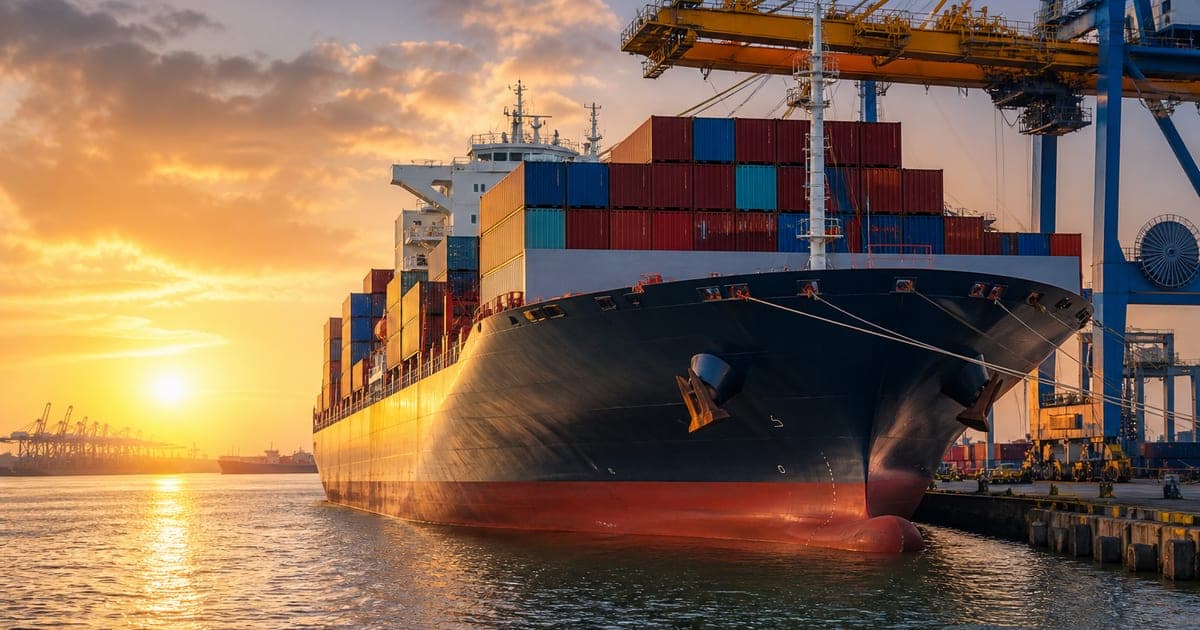
A shipping container is a rated steel (or domestic 53-foot) box with corner castings, a CSC plate or domestic equivalent, and a payload that is not the same as “whatever fits through the doors.” Shippers lose money when they stuff by eye, ignore axle laws, or send a 40' to a dock built only for 53' vans.
COL Freight Solutions lives on the inland side of that box: drayage, transload, and the highway move after the terminal. If you are choosing a shipping container for an ocean or intermodal move, send cube, weight, and door constraints with the quote request—not just “we need a container.”
Shipping container sizes that actually get used
ISO 20' for dense cargo. ISO 40' and 40' high cube for most retail and industrial cubes. 45' exists in some trades. Domestic 53' containers are an intermodal highway-rail product, longer than an ISO 40' and built for North American ramps.
Open top, flat rack, and tank containers are cargo-specific. Do not order a dry 40' for a machine that cannot door. Photos beat adjectives.
Weight, VGM, and the highway after the port
The number on the CSC plate is not a permission slip for every U.S. or Mexican highway. Axle groups and bridge formulas bind. Overweight tickets and refused pickups start in the stuffing bay.
VGM on ocean moves is a legal weigh of the packed container. Guessing is how cargo gets rolled. COL would rather delay a stuffing plan than invent a weight.
Seals, stuffing, and who is in the box
An FCL shipping container is your seal until a legitimate party breaks it. Stuff it to the plan: weight distribution, blocking, and no mixed hazards that the DG declaration does not cover.
LCL means your cargo shares a box. Count extra handling. If the cargo cannot take that, pay for FCL or stay on truck.
When the warehouse cannot take the box
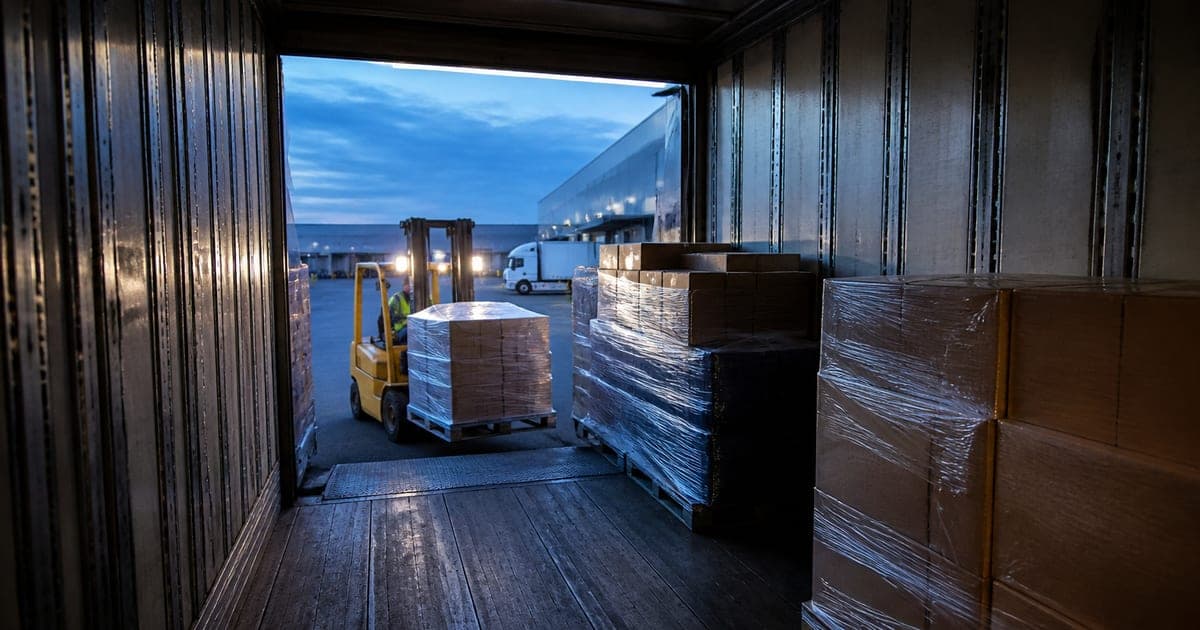
Many U.S. DCs and Mexican patios were built for 53' dry vans. A 40' ISO on a chassis has a different swing, height, and sometimes a different appointment product. Transload is the service, not an admission of failure.
COL quotes that transload plus outbound FTL or LTL. Hide the door limitation and you will meet a container sitting on chassis charges.
Quote the box and the rubber together
Tell us origin, destination, estimated cube and weight, and whether the door can receive a shipping container. Request a COL quote that includes inland, not only the box on a quay.
561-880-9808. If containers are occasional and vans are weekly, we can still be the highway partner that makes the exception land.