Shipment modes
Ocean Freight Shipping for FCL and LCL Container Moves
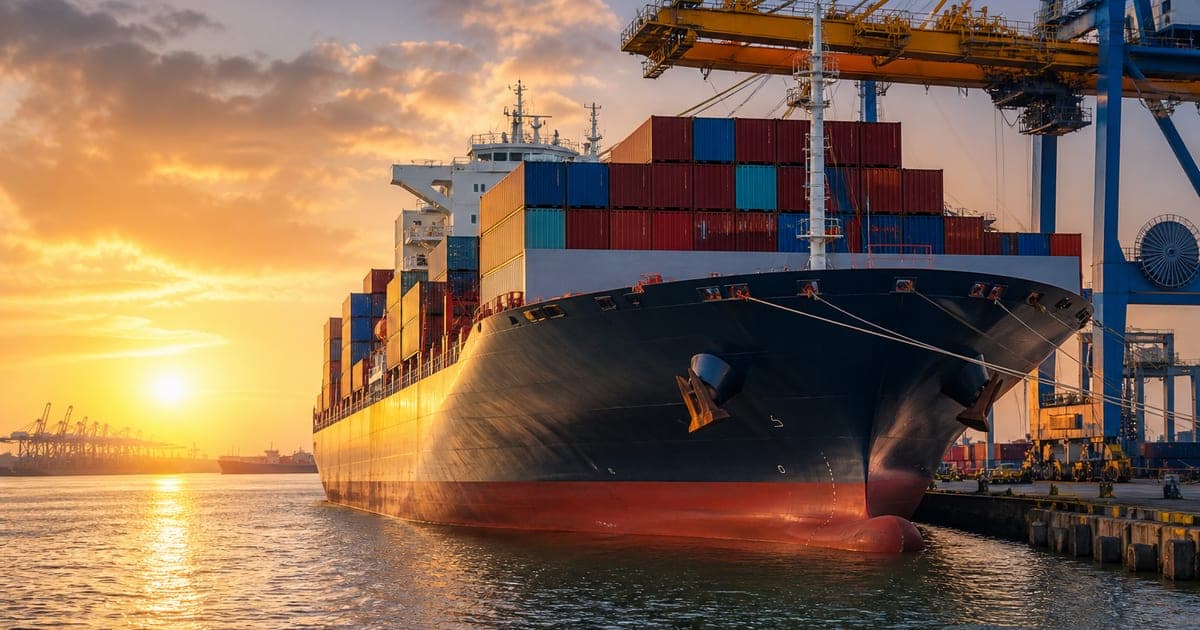
Ocean freight shipping is the U.S. commercial name for containerized water freight: 20', 40', high cube, FCL and LCL, then rubber to the door.
Updated 2026-09-07 · ocean freight shipping
Ocean freight shipping is the phrase U.S. procurement uses for container moves across the Pacific, Atlantic, and coastal services that still need a truck on each end. It is the same physical product as sea freight, with a quoting culture built around FCL/LCL, SCAC codes, and free time—not around a 53-foot van.
COL Freight Solutions quotes the inland that makes ocean freight shipping land at a plant, and coordinates the water through forwarder or carrier partners. We remain a property broker—not an NVOCC. If your cargo is already in a box at a U.S. port, you still have a freight problem: chassis, overweight, and a receiver who may not take a 40' container.
Ocean freight shipping equipment in practice
A 20' dry is for dense cargo that would overweight a 40'. A 40' and 40' high cube are the retail and industrial workhorses. Open tops and flatracks exist for machinery that will not door through a dry box. Reefer containers are a cold-chain product, not a dry van with a plug.
Payload is not the same as the number painted on the doors. Axle laws on the inland highway can be the binding constraint. Weigh the stuffed box.
Transpacific, transatlantic, and intra-Americas
Service strings, alliances, and whether you transship in another hub change the calendar. A “direct” marketing word still includes canal transits and weather. COL will quote a window for your origin-destination, not a brochure sailing.
Short-sea and coastal moves can look like ocean freight shipping with truck-like distances. They still have terminal rules. Do not treat them as LTL.
Why ocean quotes and truck quotes cannot be mixed blindly
Ocean is often sold in USD per container plus a stack of surcharges. Truck is per mile or per load. Adding them in a spreadsheet without naming currency, free time, and who owns detention is how finance fights operations.
Ask COL for a door-to-door picture even if you only award the inland. Someone still has to connect the stories.
Containers at the border are not a magic trick
A box that enters Mexico by ocean still needs Mexican inland and a pedimento. A box that enters the U.S. still needs ISF and an importer of record. Ocean freight shipping does not erase those roles.
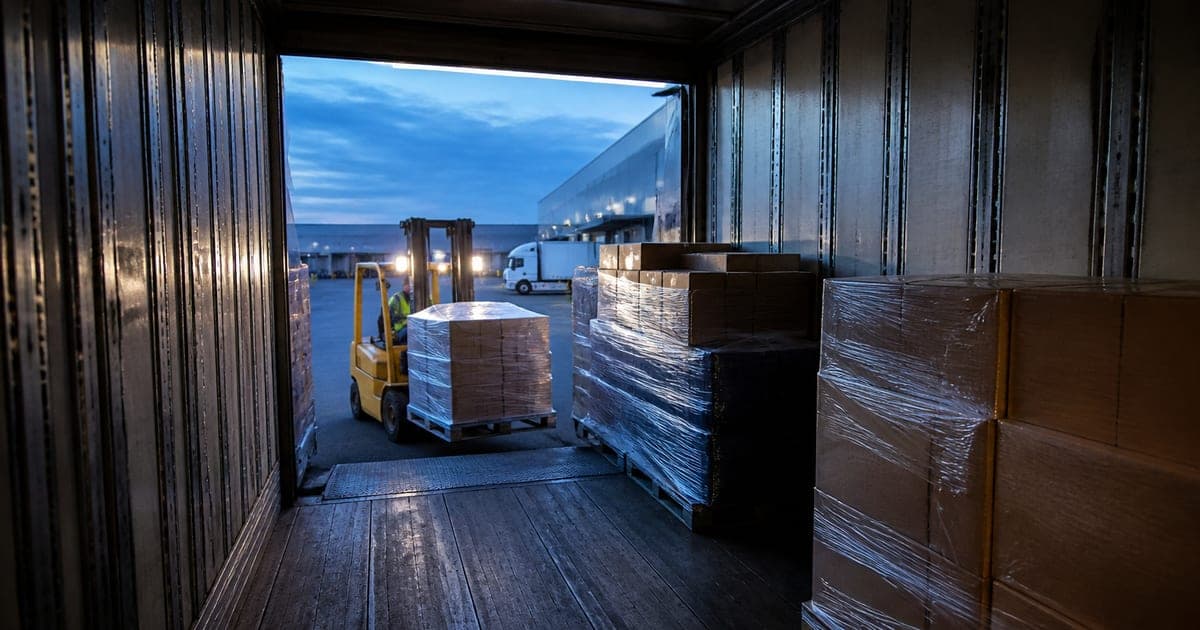
Transloading ocean containers into domestic 53' equipment is a common COL conversation because many U.S. DCs were built for vans, not ISO boxes.
Get an ocean-plus-inland quote
Name commodity, container type if you know it, ports, and whether the door can take the box. Request ocean freight shipping as a landed plan.
Phone 561-880-9808. Recurring ocean plus domestic distribution is exactly the cadence where a cost-recovery conversation can follow once the highway piece is steady.