International
International Sea Freight Shipping Beyond the Box
Sea freight is more than a 40-foot box. Here is how shippers should split vessel work from the highway work COL actually arranges.
Updated 2026-09-07 · international sea freight shipping
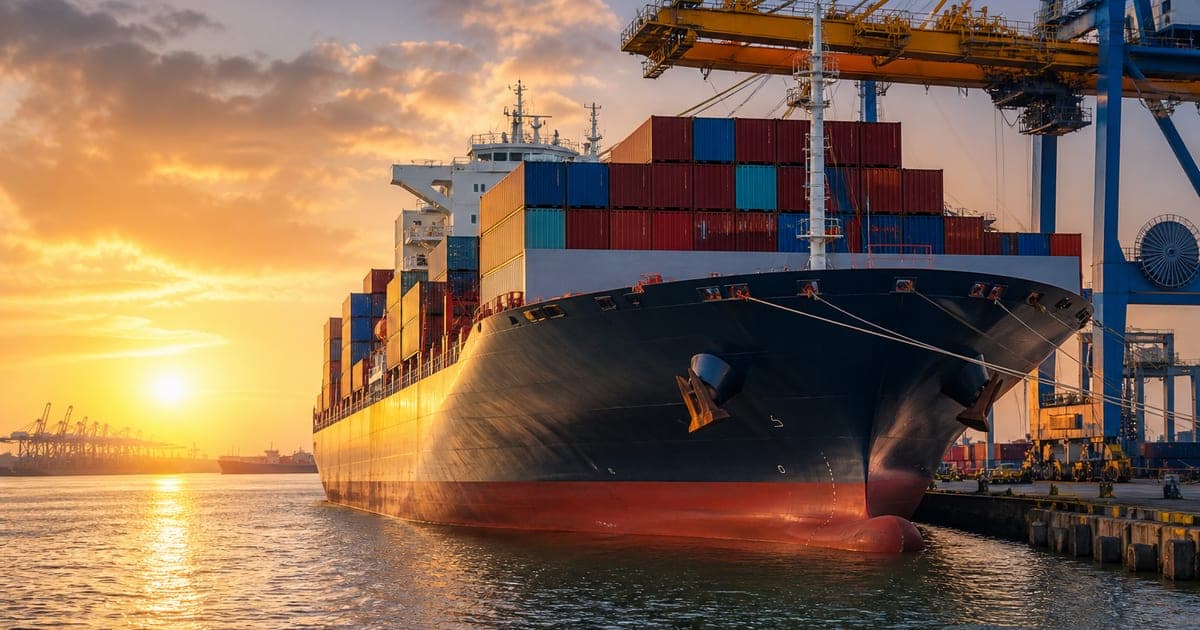
International sea freight shipping is the broader phrase shippers use when the water move is not a simple FCL booking. Breakbulk machinery, rolling stock, project cargo, and Hawaii or Alaska barge schedules all sit under “sea” even when they never touch a 40-foot dry container.
COL still does not take the vessel. We remain a licensed property broker for truckload and LTL in the USA, Mexico, and Canada. The useful conversation is how cargo gets to the load port, how it leaves the discharge port, and whether it should ever have been on a ship instead of a truck across this continent.
Sea is a family of products
Containerized FCL and LCL dominate retail and general cargo. RoRo suits vehicles and wheeled equipment. Breakbulk and heavy-lift cover pieces that will never cube a box. Barge services to non-contiguous U.S. states are sea freight with a domestic twist.
Each product has a different booking party. Mixing them in one RFP without saying which product you need produces theater, not a rate.
Why shippers still call a truck broker
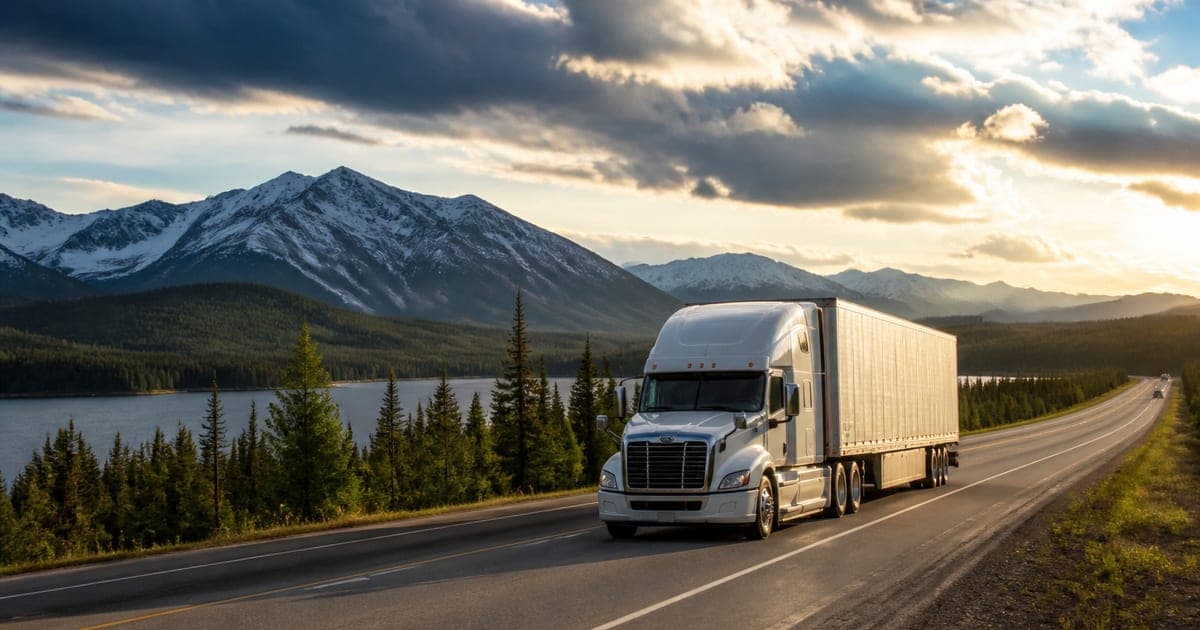
Ports are not factories. Someone has to collect oversized pieces from a mill, stage them, and return empty equipment. Someone has to deliver a machine that came breakbulk onto a flatbed that can legal the highway.
That someone is a motor carrier arranged by a property broker. COL’s job is that arrangement, including specialized equipment when the sea move created an awkward inland piece.
- Flatbed or step deck from plant to load port.
- Heavy-haul after discharge if permits and escorts apply.
- Dry van or LTL after a warehouse strips mixed cargo.
Do not default to sea inside North America
USA–Mexico and USA–Canada freight is usually faster and simpler on the highway. Sea between those markets exists for specific bulk or coastal cases, not as the everyday answer for palletized finished goods.
If a vendor overseas quotes “sea to your door” into Mexico or Canada, ask which inland carrier they nominated. You are allowed to appoint COL for the inland even when another party owns the ocean contract.
Insurance and liability are not copy-paste
Hague-Visby or COGSA limits on the water are not the same as Carmack or Mexican highway liability on the truck. One cargo policy should name both legs or you will argue over where the damage occurred.
We can share the motor carrier’s insurance certificate for the inland move. We cannot wrap ocean P&I into a truck quote.
Give the inland team a sea-shaped brief
Piece count, center of gravity, whether the cargo is still in a container, and the terminal’s receiving rules matter more than the ocean sailing date once the box or crate exists. Phone 561-880-9808. Florida and California offices cover both seaboards.