International
International Ocean Freight Shipping and Inland Trucking
Containers, ports, and the inland truck that actually reaches your warehouse—without pretending COL is the ocean carrier.
Updated 2026-09-07 · international ocean freight shipping
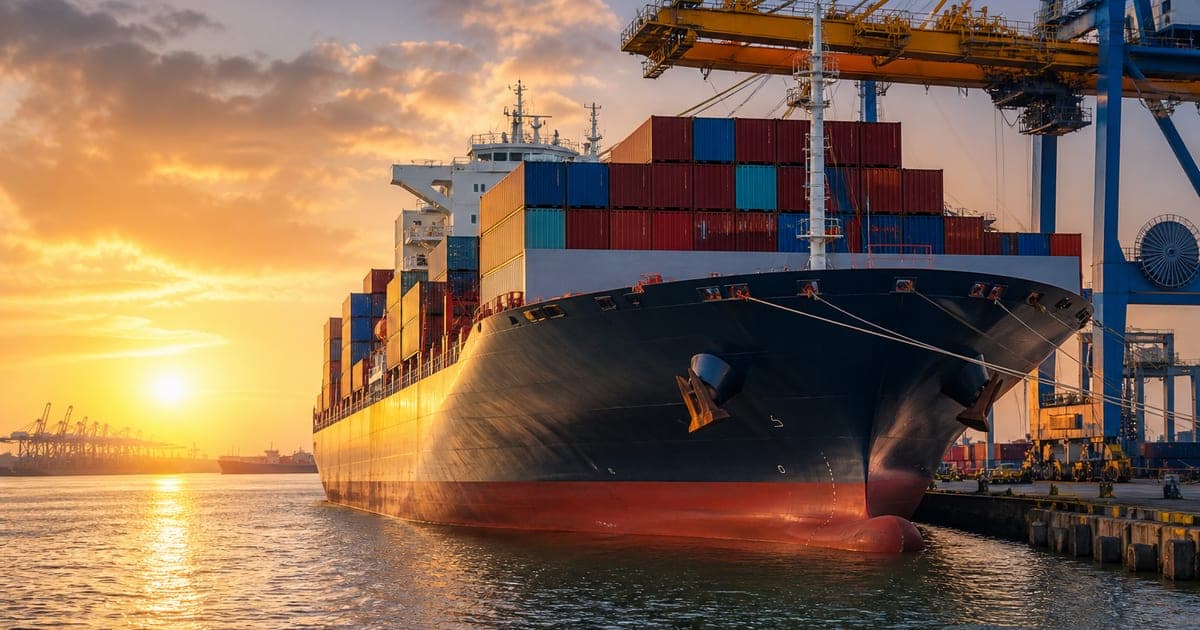
International ocean freight shipping is how dense, heavy, and non-urgent cargo crosses oceans. The steamship line owns the vessel. An NVOCC or forwarder often owns the ocean contract the shipper sees. Neither of those parties automatically owns the truck that leaves the terminal.
COL Freight Solutions is not an NVOCC and does not issue house ocean bills of lading. We arrange the highway work that ports create: drayage to a nearby warehouse, transload into a 53-foot dry van, or a longer linehaul once the box is out of the stack. That is the part most “all-in ocean” quotes bury until demurrage starts.
Port to door is a different job than port to port
A port-to-port rate ends when the container is available. Your inventory is still sitting behind a gate, a chassis shortage, or a transload crew. International ocean freight shipping only becomes useful when someone schedules that next movement with real hours, not brochure days.
Tell your ocean partner and your truck broker the same last-free-day. Split information is how per diem appears on an invoice nobody budgeted.
What COL will and will not book
We book trucks. Dry van after transload, flatbed if the cargo cannot cube a box, LTL if you stripped a container into mixed POs, and warehousing when the receiver is not ready.
We will not pretend to file an ISF, nominate a vessel, or act as the carrier on an ocean bill. Those belong to a forwarder, NVOCC, or VOC you hire separately.
Transload versus inland container move
Keeping freight in the ocean container to a Midwest warehouse can be simpler—until chassis, overweight permits, or rail ramps enter the file. Stripping at a near-port warehouse into domestic trailers is often cleaner for mixed SKUs heading to several consignees.
COL helps you choose the inland pattern. We do not invent a “per container” highway price without weight, commodity, and whether the box is live or drop.
Mexico and Canada as inland extensions
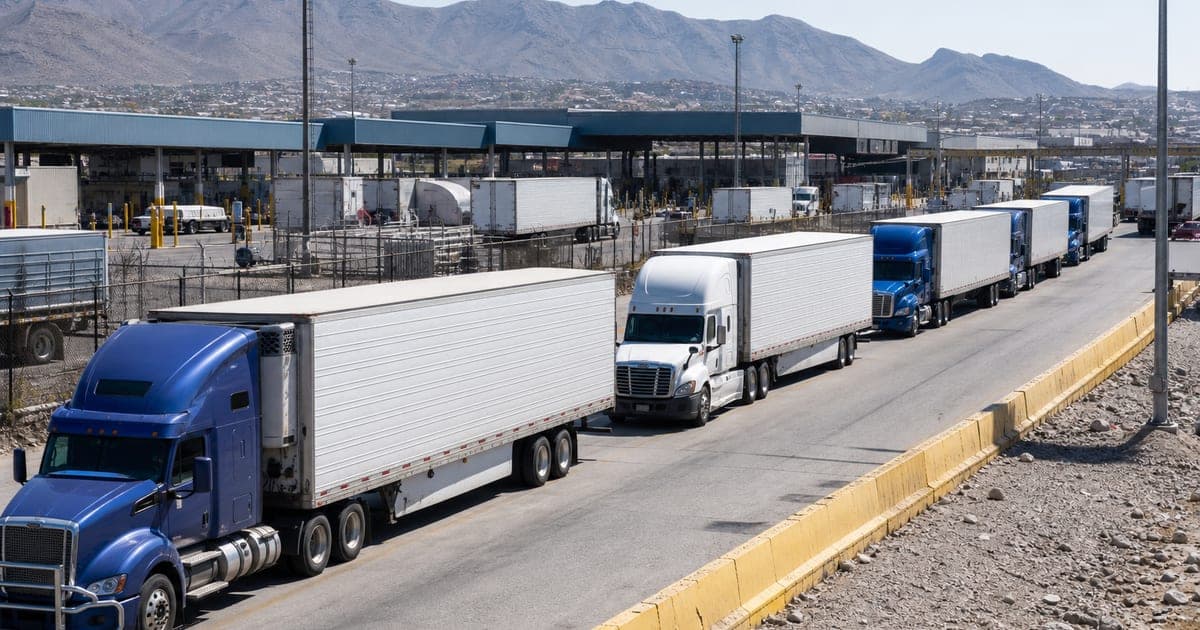
A box that discharges in Houston, Lázaro Cárdenas, or Vancouver still needs a North American truck or rail plan. Cross-border inland is still property-broker work: equipment, bilingual updates, and a carrier who can complete the crossing.
Customs remains with your agente aduanal or U.S. customs broker. Ocean documents do not authorize COL to clear cargo.
Brief the inland desk early
Share ETA, terminal, container number when you have it, commodity, weight, and whether you need a live unload. Saint Petersburg and Los Gatos desks cover East and West Coast ports. Call 561-880-9808 before last free day, not after.