International
International Freight Shipping Across North America
How North American shippers should treat international freight: the trucking leg, the documents, and when you still need a forwarder or customs broker.
Updated 2026-09-07 · international freight shipping
International freight shipping is not one product. A pallet moving Dallas to Monterrey, a container arriving Long Beach that still needs a 53-foot van, and an urgent sample flying into Miami are three different problems that share a border, a bill, and a delivery appointment.
COL Freight Solutions LLC is a licensed U.S. property broker (USDOT 4427559, MC-1741651). We arrange full truckload, LTL, and warehousing across the United States, Mexico, and Canada. We do not operate aircraft or issue ocean bills as an NVOCC. When your move has an air or ocean segment, we handle the highway portion and work alongside the forwarder or carrier you already use.
What “international” means on this continent
For many manufacturers, distributors, and retailers in this market, international freight shipping is the USA–Mexico–Canada corridor—not a Far East string. The cargo still crosses a sovereign border. It still needs the right equipment, a realistic transit window, and a party who can talk to both plants without losing the appointment.
That is why shippers who only compare “international rates” online often get a quote that ignores accessorials, border dwell, or the fact that the last mile is a liftgate door with no dock.
Truckload and LTL versus ocean and air
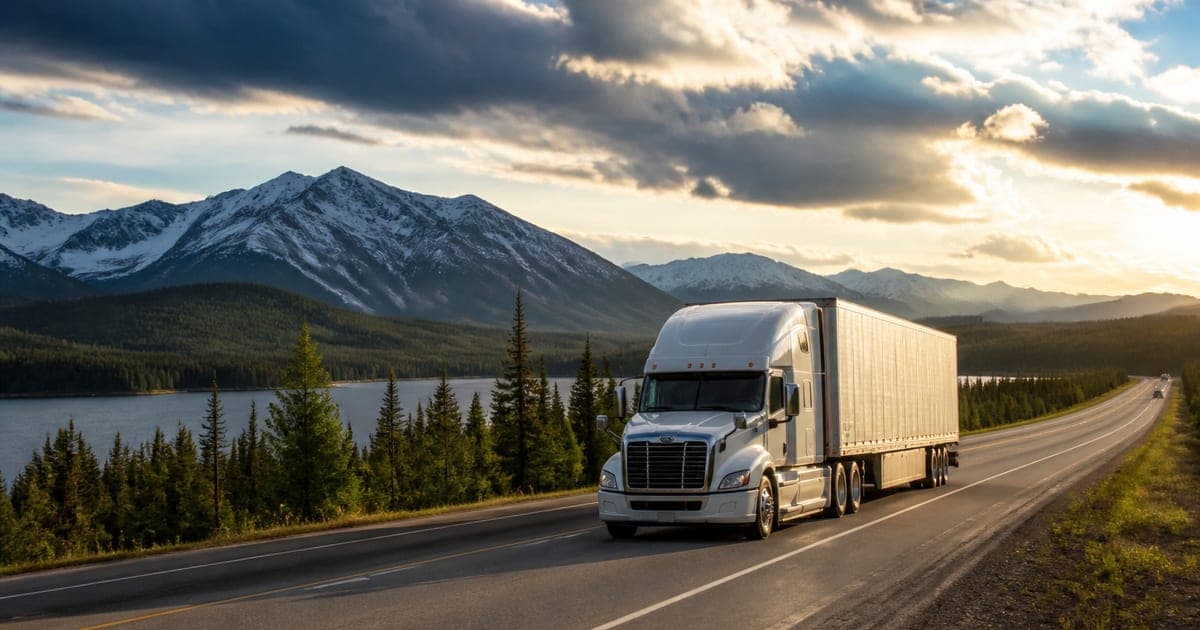
Highway freight is the mode COL actually books: dry van, flatbed, reefer, and LTL networks that cover the three countries. Ocean and air remain specialized markets with their own contracts, surcharges, and liability regimes.
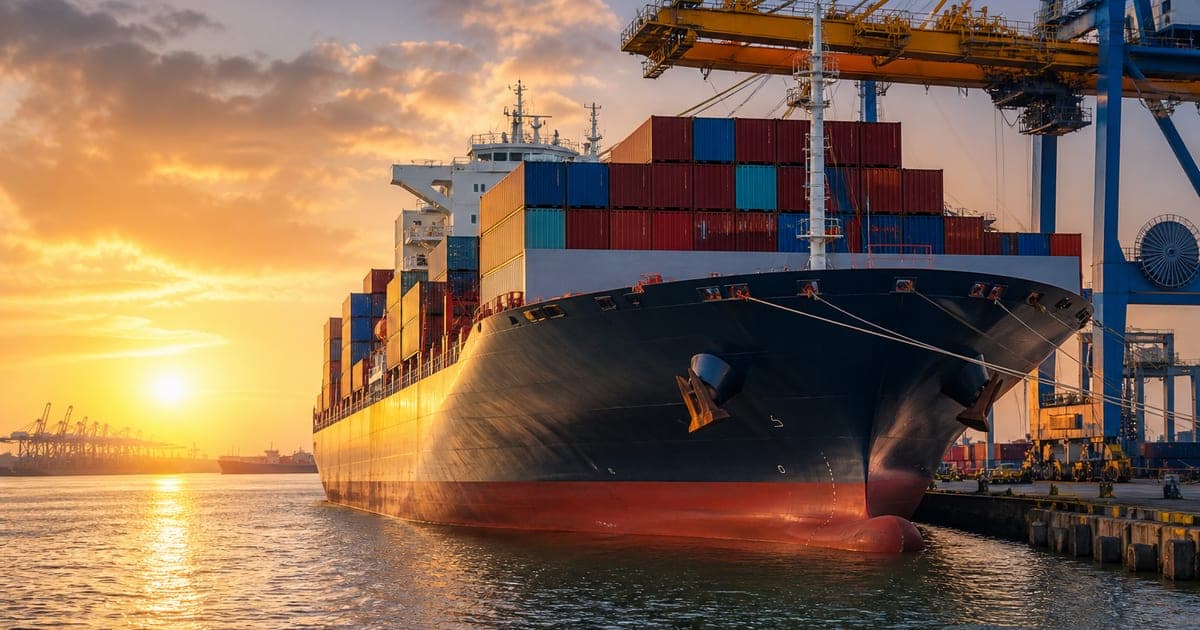
If your freight starts or ends at a port or airport, treat the inland dray or linehaul as its own shipment. Mixing those legs into one vague “international” price is how invoices surprise finance teams.
- FTL when you need exclusive trailer space or a sealed unit for cross-border freight.
- LTL when density and dock appointments matter more than owning the whole trailer.
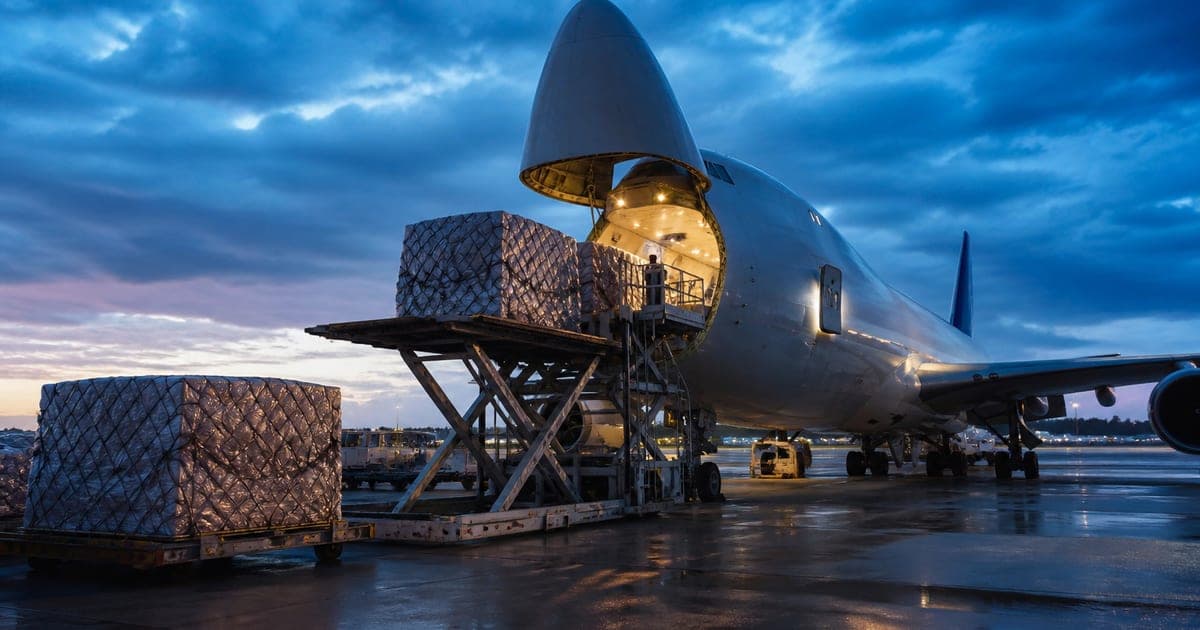
- A separate air or ocean partner when the cargo must leave the highway network.
Documents that actually move the freight
A commercial invoice, packing list, and bill of lading do not replace a customs entry. They also do not replace a clear pickup number. International freight shipping fails in the gap between “the plant printed a BOL” and “the broker of record filed the entry.”
COL coordinates the transportation arrangement and the carrier paperwork we control. Licensed customs brokers still own the entry. Freight forwarders still own master air waybills or ocean bills when those modes apply.
Where COL sits in the chain
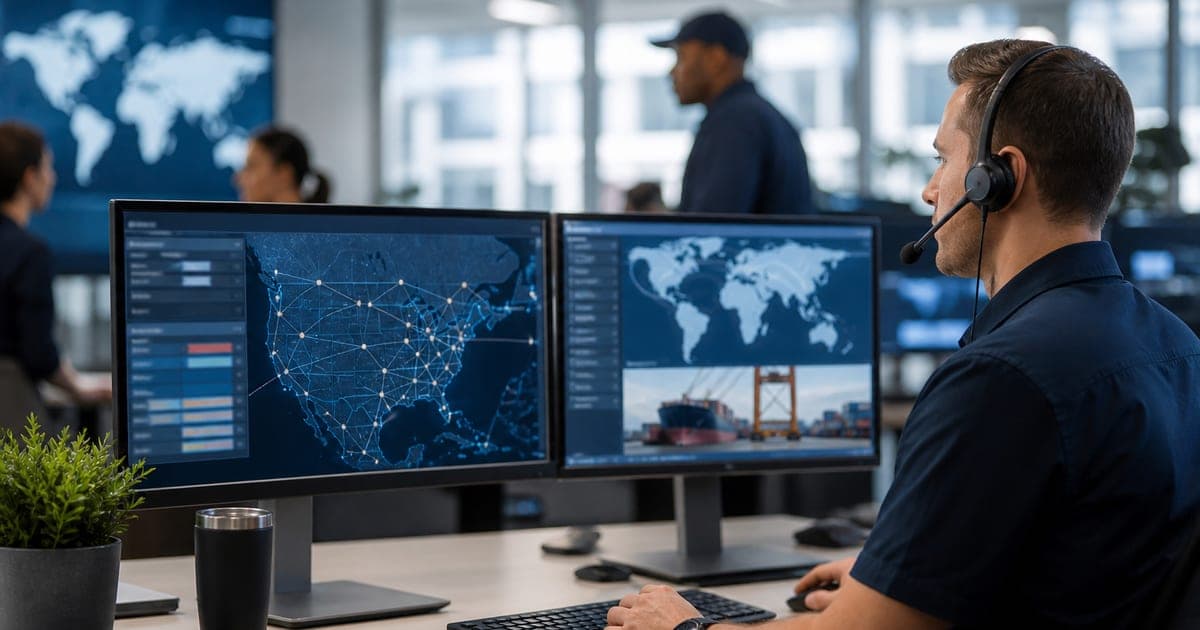
Offices in Saint Petersburg, Florida and Los Gatos, California give us a two-coast desk for origin and destination questions. Call 561-880-9808 with commodity, pieces, weight, dimensions, and both facility constraints.
Shippers who move recurring North America volume may also qualify for the Transportation Cost Recovery Program™—a partnership program tied to consistent freight with COL, not a rate gimmick and not an invoice-audit vendor.
A practical sequence before you tender
Confirm Incoterms so you know who pays the inland U.S. or Mexican truck. Confirm whether the receiver can accept 53-foot trailers, requires a liftgate, or only opens on union hours. Then choose the mode for the longest international leg.
If that longest leg is a truck, COL can quote and cover it. If it is a vessel or aircraft, keep your forwarder on the ocean or air contract and let us arrange the highway pickup or delivery that actually hits your dock.