
Lanes & cities
Texas–Mexico Freight: Laredo, El Paso, and the Gulf Gateways
Most U.S.–Mexico truck trade touches Texas. COL Freight Solutions plans Texas–Mexico freight around the crossing that matches your plant—not the one that looks closest on a map.
Updated 2026-09-07 · texas mexico freight
Texas–Mexico freight is not one highway. I-35 feeds Laredo and the World Trade Bridge. I-10 feeds El Paso and Ciudad Juárez. US-59 / I-69 connects Houston’s industrial complex to the same Laredo cluster. Pharr–Reynosa and Brownsville–Matamoros serve the Rio Grande Valley and a different maquila mix. COL Freight Solutions books full truckload (FTL) across those corridors as a licensed U.S. property broker—from offices in Saint Petersburg, FL and Los Gatos, CA, not from a COL-owned headquarters or terminal in Texas.
Choosing the wrong gateway adds a day you will not get back. A Juárez electronics plant does not want to detour through Nuevo Laredo because a quote template defaulted to Laredo. A Saltillo or Apodaca delivery usually does. We start from the Mexican industrial park and work north to the bridge, then to Dallas, Houston, San Antonio, or the rest of North America.
Match the bridge to the Mexican destination
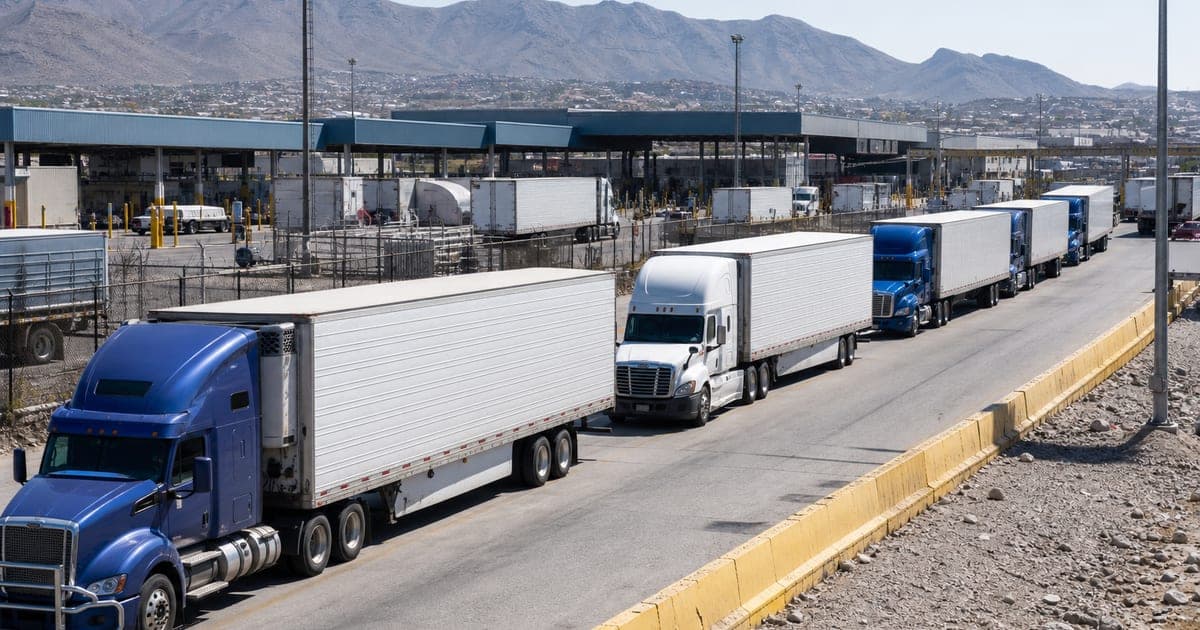
Laredo / Nuevo Laredo remains the highest-volume commercial truck gateway. World Trade Bridge is the primary cargo span; Colombia Solidarity connects Laredo with Colombia, Nuevo León, and is often the smarter approach for certain Monterrey-area plants. El Paso crossings (Bridge of the Americas, Ysleta-Zaragoza, plus Santa Teresa, New Mexico for some flows) serve Chihuahua’s maquila belt.
Valley gateways matter when the freight is Reynosa, Río Bravo, Matamoros, or agricultural and appliance plants in Tamaulipas. Forcing that cargo up to Laredo can be the right network play or an expensive detour—ask before you book.
- Nuevo León and Coahuila manufacturing: usually Laredo / Colombia cluster
- Ciudad Juárez and Chihuahua interior: El Paso / Santa Teresa cluster
- Tamaulipas border plants: Pharr, Anzalduas, or Brownsville depending on park and broker
Commodities Texas actually moves
Energy equipment and resins out of the Houston Ship Channel, auto parts into Ramos Arizpe and Pesquería, retail imports staging in Dallas–Fort Worth, and agricultural northbound from both sides of the river. Hazmat and oversized pieces need extra lead time at every Texas bridge, not only at Laredo.
Typical linehaul from Dallas to a Monterrey park is a short-haul by U.S. standards; the variable is still customs, X-ray, and Mexican delivery appointments. Houston to central Mexico is longer. El Paso to Juárez can be a dray measured in hours when papers are ready—and a multi-day wait when they are not.
FTL, LTL, and transload without fake terminals
Texas has a deep carrier pool, which helps FTL pricing, but empty-backhaul patterns change by weekday and by harvest. LTL and consolidation often stage toward Laredo even when the last mile is elsewhere. COL coordinates partner yards when a transload or trailer drop is required. We will not invent a COL terminal address in Laredo, Pharr, or El Paso. Offices remain Saint Petersburg, FL, and Los Gatos, CA. Coverage is North America.
How Texas shippers should quote
Give the Mexican park or city, not only “Mexico.” Include whether you already have a patente and agente aduanal, trailer type, and if the load can drop in a yard versus live unload. Call 561-880-9808. Recurring Texas–Mexico freight may qualify for the Transportation Cost Recovery Program™ after we review volume and lane mix.