Shipment modes
Road Freight of Goods Across the USA, Mexico, and Canada
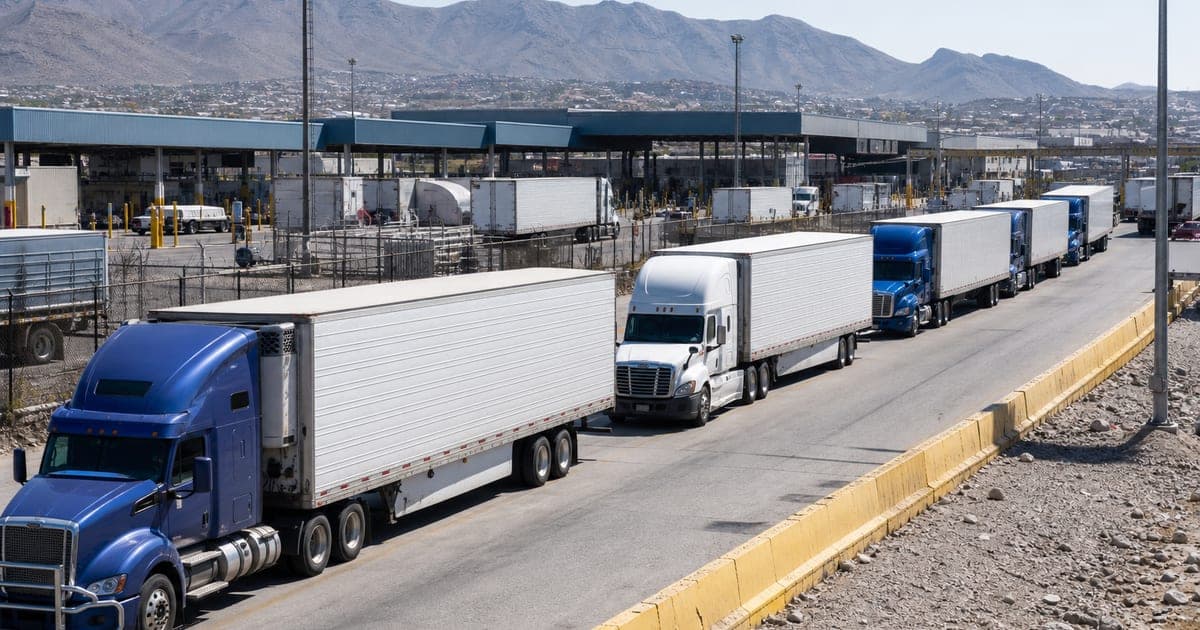
Road freight of goods is still how most North American industrial cargo actually moves. COL Freight Solutions books the highway product—and the border process that comes with it.
Updated 2026-08-20 · road freight of goods
Road freight of goods is the default mode for factories, DCs, and plants that need a dock-to-dock story without a port cutoff. Full truckload, less-than-truckload, flatbed, and reefer all sit inside that heading. COL Freight Solutions LLC, licensed property broker USDOT 4427559 and MC-1741651, arranges highway capacity across the United States, Mexico, and Canada from Saint Petersburg, Florida, and Los Gatos, California.
On domestic U.S. or Canadian lanes, the variables are equipment, hours-of-service, and appointments. On USA–Mexico highway lanes, add World Trade Bridge, Colombia Solidarity, Otay Mesa, or El Paso/Ciudad Juárez, plus carta porte and pedimento. Typical road transits are measured in hours for twin-city drays and in days for interior hauls. Typical border time depends on customs.
What belongs on the highway versus another mode
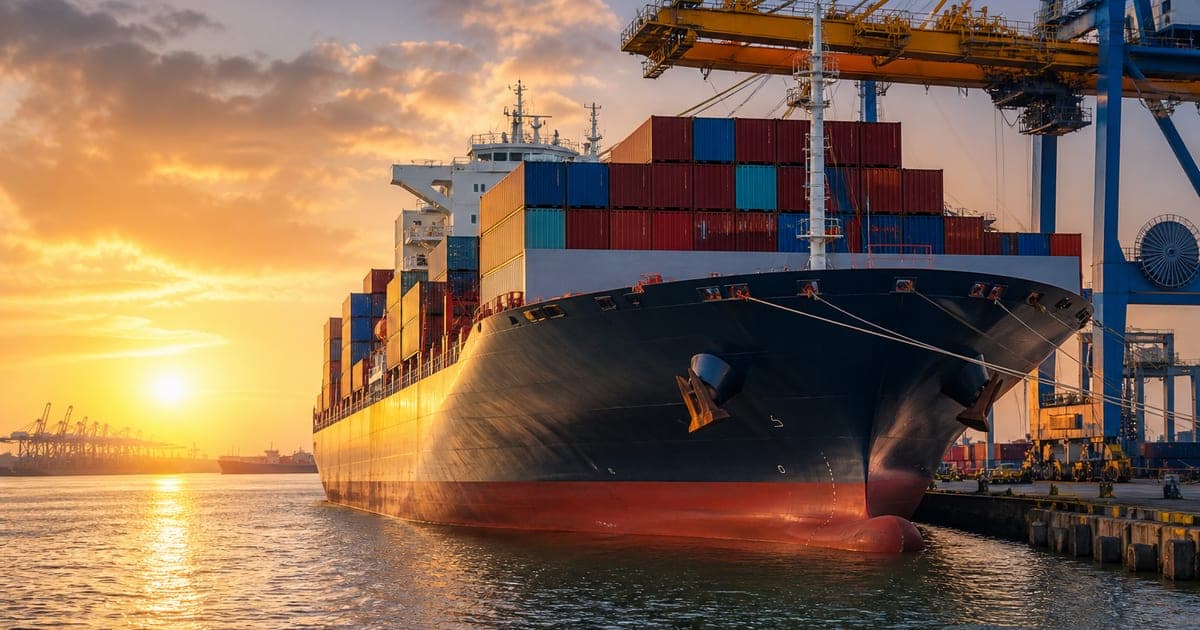
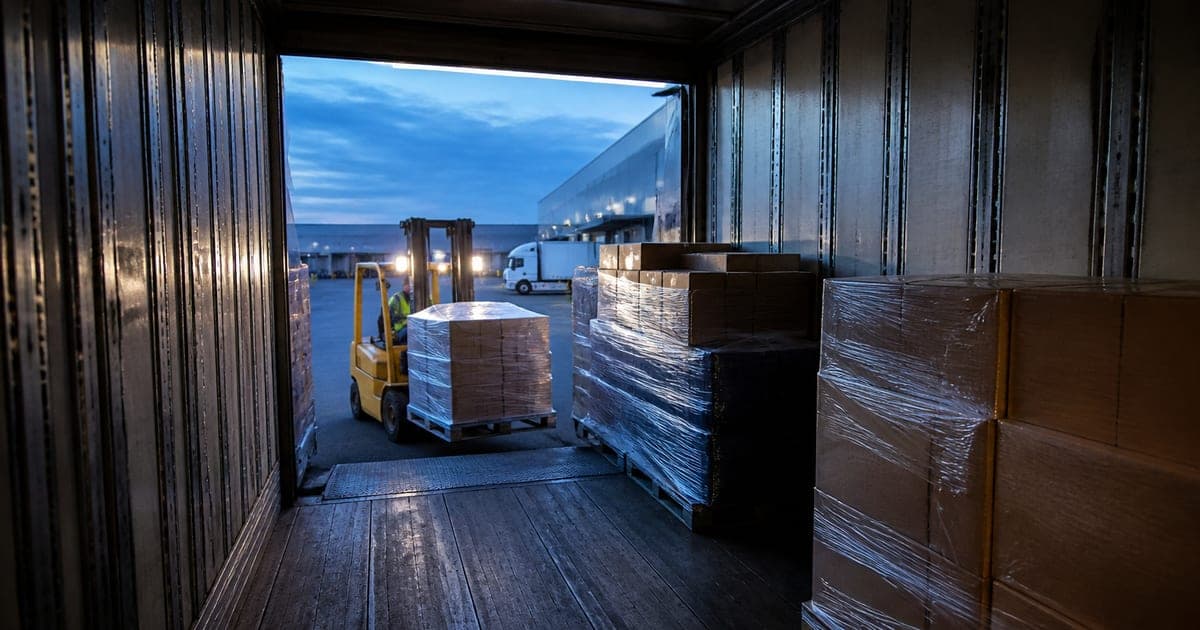
Palletized industrial freight, sequenced auto parts, retail replenishment, and most food moving between plants belong on the road. Ocean wins on certain cube and project moves through Houston, Manzanillo, Veracruz, or Los Angeles. Air wins when the line is down. Mixing those conversations is how a van quote tries to replace a vessel.
Oversize highway freight may need permits and escorts in more than one jurisdiction. That is still road freight; it is not a standard dry-van spot.
- FTL dry van: the workhorse for sealed, dock-high freight
- LTL and consolidation: pallet-level highway shipping with more handling
- Flatbed and reefer: when the goods cannot live in a standard van
North American highways that actually carry the freight
I-35 to Laredo, I-10 to El Paso, I-15/I-805 to Otay Mesa, I-69 from Houston, and Mexico’s northern industrial corridors toward Monterrey, the Bajío, and the Valle de México. Canada sits on the other end of the same continental network. We route to the gate that matches the plant, not to the gate that matches a template.
Cost, dwell, and what a broker can control
Fuel, capacity, and empty-backhaul patterns move highway prices by the week. Border dwell is not a fuel surcharge; it is inspections and file quality. COL quotes the truck and tells you when the clock is no longer ours. We do not invent warehouse addresses along those highways. Coverage is North America; call 561-880-9808.
When highway volume becomes a program
Shippers who move road freight of goods on a sustained cadence may qualify for the Transportation Cost Recovery Program™. Eligibility follows actual lanes and consistency, not a single emergency dispatch.