Shipment modes
Large Freight Shipping Across the USA, Mexico, and Canada
When pallets, machinery, or high-cube freight outgrow LTL, COL Freight Solutions books large freight shipping with the right trailer—and a border plan that does not invent transit promises.
Updated 2026-09-07 · large freight shipping
Large freight shipping is the practical choice when your shipment needs a dedicated trailer, a specialized deck, or more space than a consolidated network can protect. COL Freight Solutions LLC, a licensed U.S. property broker (USDOT 4427559, MC-1741651), matches full truckload and heavy-equipment capacity across the United States, Mexico, and Canada from offices in Saint Petersburg, Florida, and Los Gatos, California.
Shippers usually mean one of three things: a full dry van, a flatbed or stepdeck for machinery, or a high-cube / high-weight load that would crush an LTL cube. The right answer depends on commodity, dimensions, and whether the move crosses Laredo/Nuevo Laredo, Otay Mesa, El Paso/Ciudad Juárez, or an interior plant. We quote the load you actually have—not a generic rate card.
When large freight shipping beats LTL
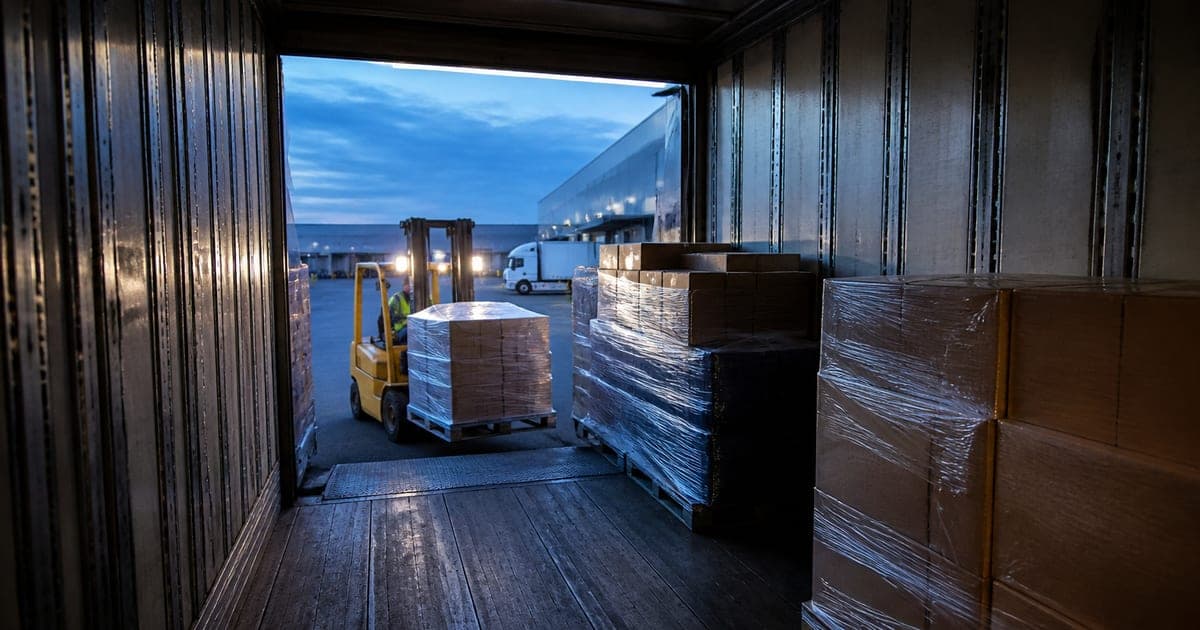
If you are filling most of a 53-foot van, moving a single piece that cannot be restacked, or shipping production parts that cannot sit in a breakbulk terminal, dedicated capacity is usually cheaper in risk even when the linehaul looks higher. Large freight also fits retail floor-loaded product, industrial skids, and machinery that needs straps, chains, or tarps instead of a pallet-only network.
On USA–Mexico lanes, large freight is often the cleaner customs story: one shipper, one commodity set, one seal. That does not make the crossing automatic. It does reduce the chance that someone else’s freight delays your pedimento or your dock appointment in Apodaca, El Salto, or a Juárez industrial park.
- Dry van FTL for boxed, palletized, or floor-loaded freight that needs the full trailer
- Flatbed, stepdeck, or RGN when height, length, or loading method will not fit a van
- Reefer when temperature control matters more than sharing a consolidator’s trailer
Equipment, permits, and what we will not invent
Oversize and overweight moves may need state permits in the U.S. and comparable authorizations in Mexico. Escorts, travel-hour restrictions, and bridge choice (World Trade Bridge versus Colombia Solidarity, for example) are planned around the actual dimensions—not a marketing SLA. Typical over-the-road windows are measured in days, and border dwell depends on customs, X-ray, and facility hours.
COL does not operate a private heavy-haul fleet and does not list warehouse street addresses we do not have. We broker qualified carriers, coordinate bilingual handoffs, and keep the quote tied to origin, destination, piece count, and any permit flags you disclose up front.
Border routing for oversized and full truckloads
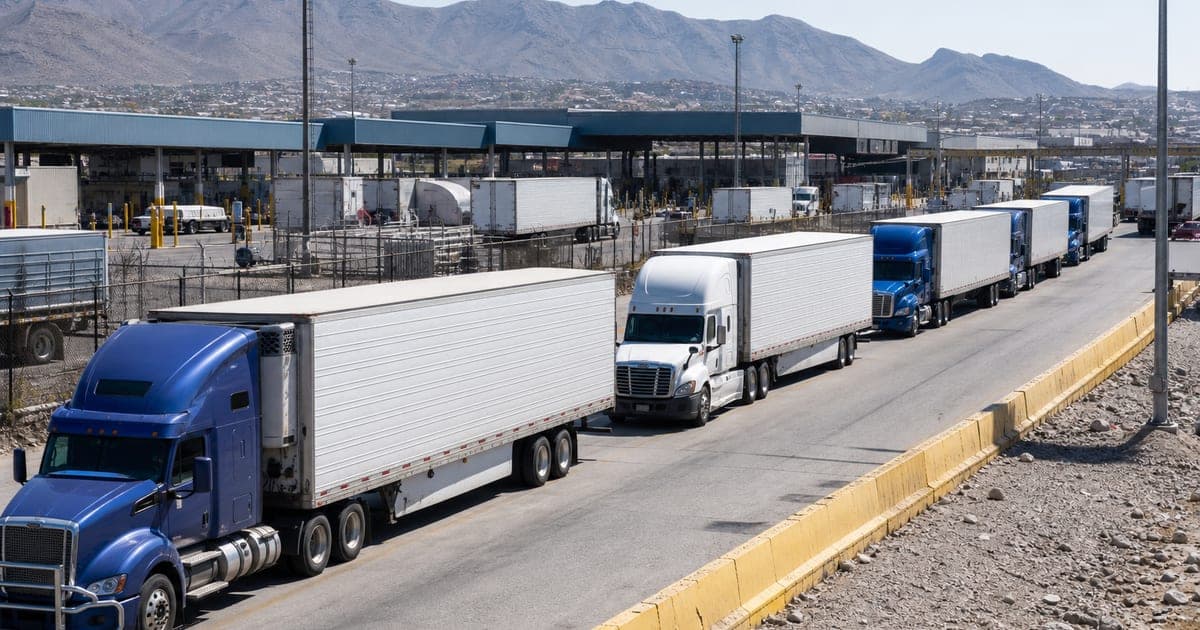
Texas-bound industrial freight often aims at Laredo’s commercial bridges because they handle the highest truck volume in U.S.–Mexico trade. Pacific manufacturing more often uses Otay Mesa. Automotive and electronics maquilas in Ciudad Juárez commonly use El Paso crossings such as Ysleta-Zaragoza or the Bridge of the Americas. The “fastest” crossing is the one that matches your broker’s lane, the trailer type, and the plant’s receiving hours.
If you only have a partial trailer, ask whether large freight shipping is still justified. A dedicated truck can still be the right call for high-value cargo, tight production windows, or freight that cannot be co-loaded. Otherwise, consolidated options may fit—without pretending they are as simple as a domestic LTL scan.
How to request a large-freight quote
Send pickup and delivery cities, ready date, piece count, weight, dimensions, freight class or NMFC if you have it, and whether the load is stackable. For Mexico, add RFC, commodity description for the invoice, and whether an agente aduanal is already assigned. Call 561-880-9808 or email the same details to our team.
Consistent volume on large freight lanes may qualify for COL’s Transportation Cost Recovery Program™. Eligibility is reviewed against actual shipping patterns—not a one-off spot move.