Shipment modes
LTL Freight: Density, Class, and Accessorials That Change Cost
LTL freight is the cargo on a shared trailer. Density, class, packaging, and how receivers take it decide whether consolidation is cheap or a trap.
Updated 2026-09-07 · ltl freight
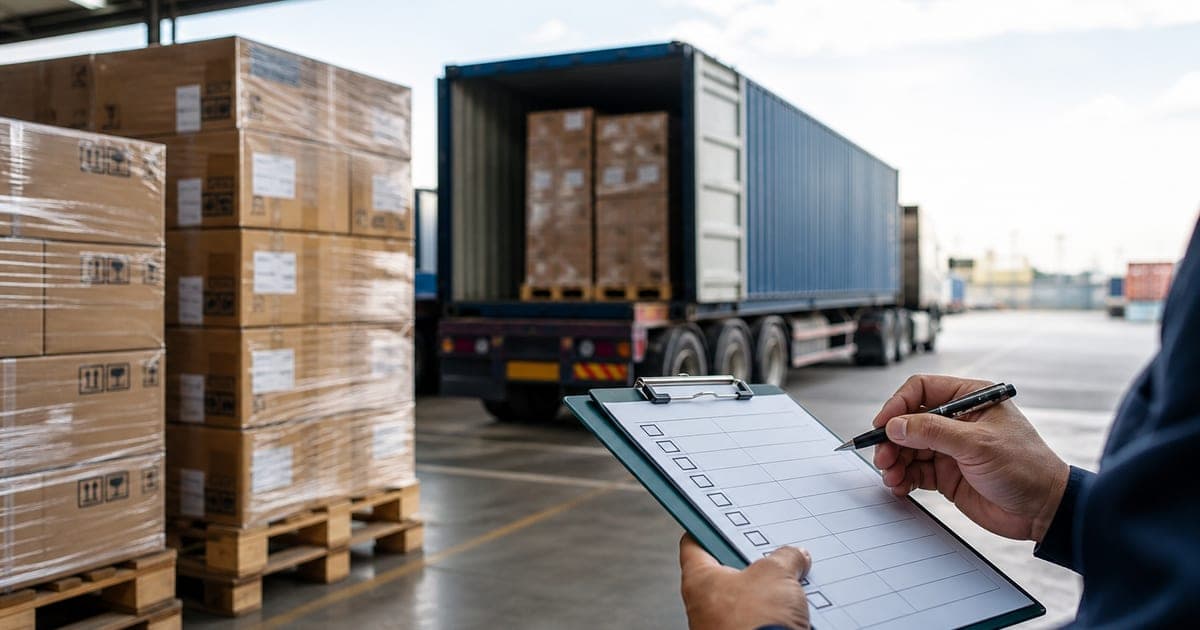
LTL freight is the stuff on the dock, not the marketing name of the product. Carriers rate the cargo: how dense it is, how easily it damages, whether it can be stacked, and how much labor the delivery takes. Two “one pallet” tenders can invoice like different species.
COL Freight Solutions wants those facts before we call a number LTL freight. Send commodity, packaging, and dimensions. We would rather argue density on the quote than on a balance-due bill.
What makes LTL freight rate the way it does
Density is pounds divided by cube. A steel fitting pallet and a plastic-bin pallet with the same footprint are not the same freight. Class tables exist because claims and handling cost follow the cargo, not the shipper’s internal SKU.
Packaging is part of the freight. A crate that can be forklifted from two sides is not the same as stretch-wrap over a broken pallet. Terminals will treat them differently even if purchasing used the same PO line.
FAK and negotiated class
Freight of all kinds (FAK) is a contract tool that groups classes so you are not re-classing every SKU. It is earned with volume and a clean claims history, not demanded on the first spot load.
If you do not have FAK, describe the actual commodity. COL will not invent a class 70 story for class 250 cargo just to win an email.
Handling characteristics you must declare
Top-heavy, overhang, rollable drums, and “do not double stack” are handling, not decoration. So is a pallet that is 52 inches in one direction and will not fit a standard pattern.
Food, cosmetics, and pharma may need odor segregation or temperature. That can kick you out of cheap general LTL into specialized handling. Say it early.
Claims start with how the freight was built
LTL freight takes more touches than FTL. Corner boards, adequate wrap, and a pallet that is not a used grocery skid with a missing stringer are cheaper than a claim file.
Photograph the four sides at tender. If COL is on the shipment, those photos are the conversation, not a shrug.
Put the cargo on a COL LTL quote
List each handling unit. Request a quote that treats LTL freight as cargo, not as “some pallets.”
Call 561-880-9808 when the freight is awkward—machinery bases, mixed SKUs, or a first-time limited-access site. Awkward is cheaper to describe than to surprise.