Freight basics
Domestic Freight Shipping Across the Lower 48 and Border States
Domestic freight shipping never crosses a customs line. In COL’s world that usually means U.S. highway FTL and LTL—still with docks, class, and appointments.
Updated 2026-09-07 · domestic freight shipping
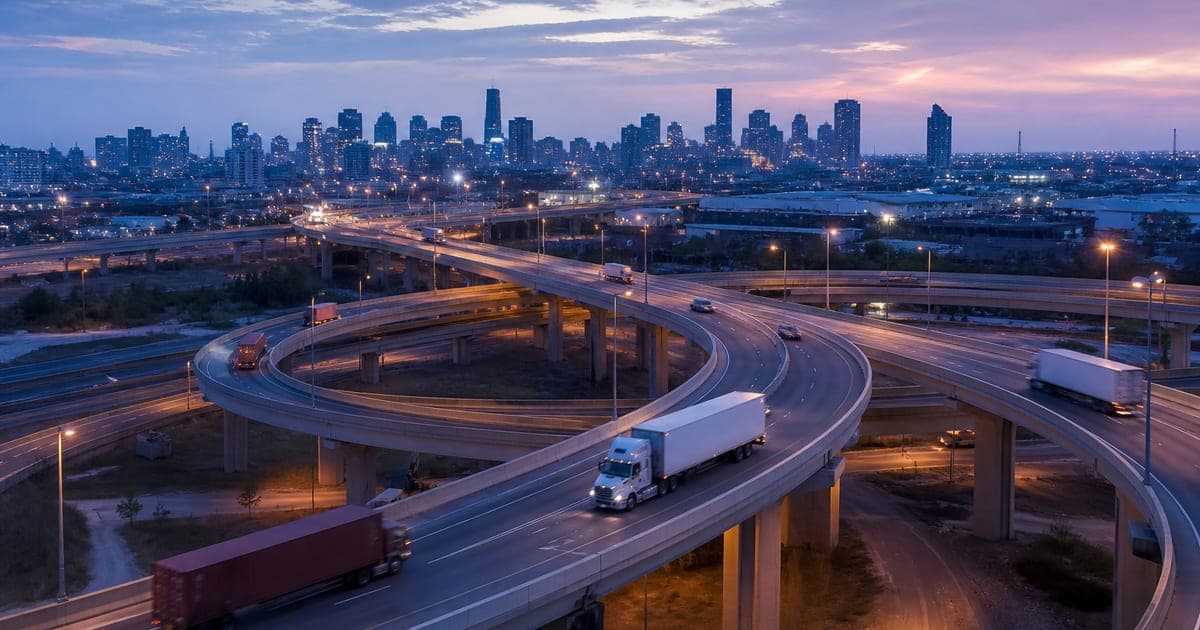
Domestic freight shipping means the cargo does not leave the country of tender. For most COL shippers that is the U.S. Lower 48: dry vans between plants, LTL into retail DCs, reefers on produce corridors that never see a port of entry.
The word still matters on a quote. A Dallas–Chicago FTL is domestic. A Laredo–Monterrey FTL is not, even if both ends speak English on the phone. Ask for the right product so COL does not staff a border desk you do not need—or skip one you do.
Where domestic freight shipping starts and stops
U.S. domestic is origin and destination inside the United States. Hawaii and Alaska are still domestic politically and a different equipment and cost conversation operationally; say so on the quote. Puerto Rico is not a Lower 48 van move.
Mexican domestic (flete doméstico) is a separate market with SCT rules and Mexican carriers. COL can be part of a North America plan; do not assume a U.S. MC number is a Mexican federal permit.
Modes that dominate U.S. domestic
Highway FTL and LTL carry most of what procurement calls domestic freight. Intermodal shows up on long denser lanes. Air is the exception when a plant-down part cannot wait for rubber.
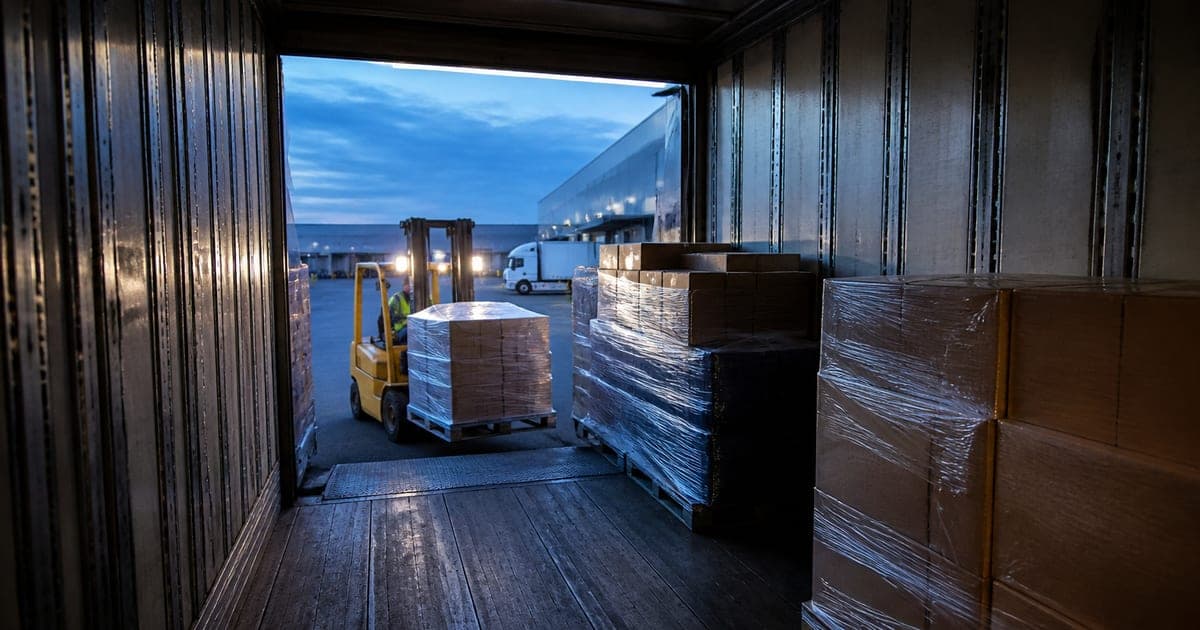
Appointments at big-box DCs and food-grade facilities will dominate your calendar more than miles. A two-day drive with a three-day wait for a delivery window is still a domestic problem.
Rating domestic without pretending it is parcel
LTL class, FAK programs, and fuel are the domestic LTL levers. FTL is more market, miles, and whether you load live or drop. Neither is a zone chart.
COL quotes the load. There is no public matrix that stays true from Q1 produce to Q4 peak retail.
When “domestic” quietly becomes cross-border
A vendor in McAllen shipping to Monterrey is not domestic. A 3PL in San Diego routing Otay is not domestic. If any legal party, truck, or document crosses, tell the desk on the first email.
In-bond and transload tricks do not make the move domestic for planning. They change who files what. COL will ask.
Quote a domestic lane with COL
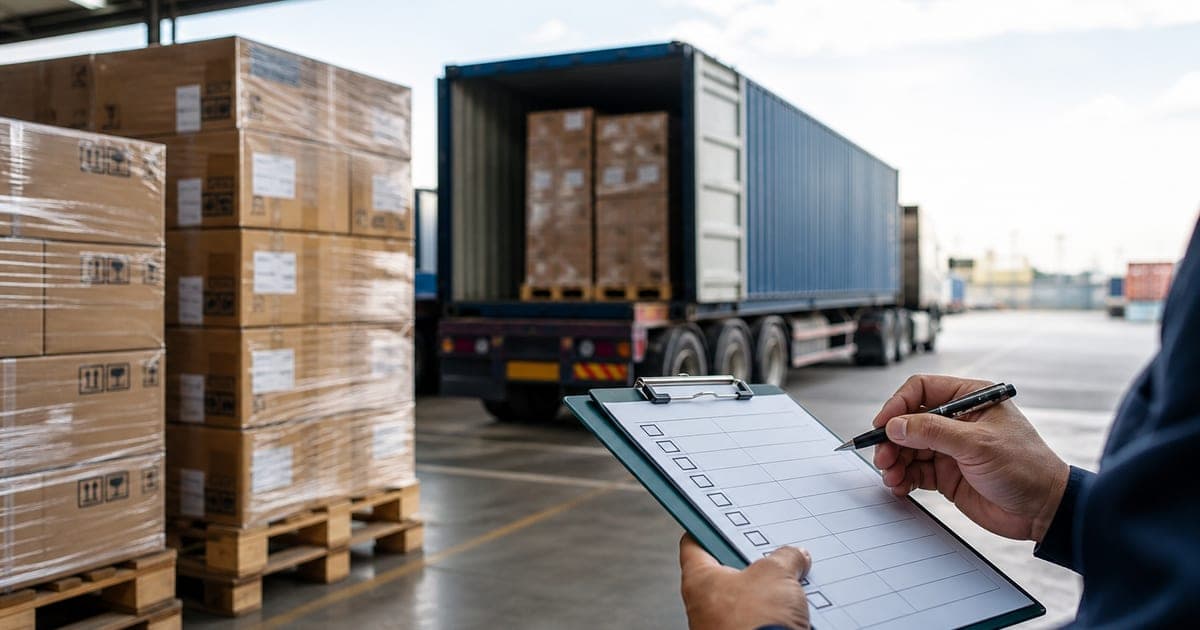
Send two U.S. ZIPs (or city/state), equipment, and pallet data. That is a domestic freight shipping request.
If some of your network is domestic and some is Mexico, split the quote list. The Transportation Cost Recovery Program™ conversation can still cover the combined cadence for qualifying partners.