Cost & quotes
Ocean Freight Shipping Rates: The Water Leg Versus the Truck Legs
Ocean freight shipping rates move with FCL/LCL utilization and bunker. The invoice you feel often includes inland accessorials the index never showed.
Updated 2026-09-07 · ocean freight shipping rates
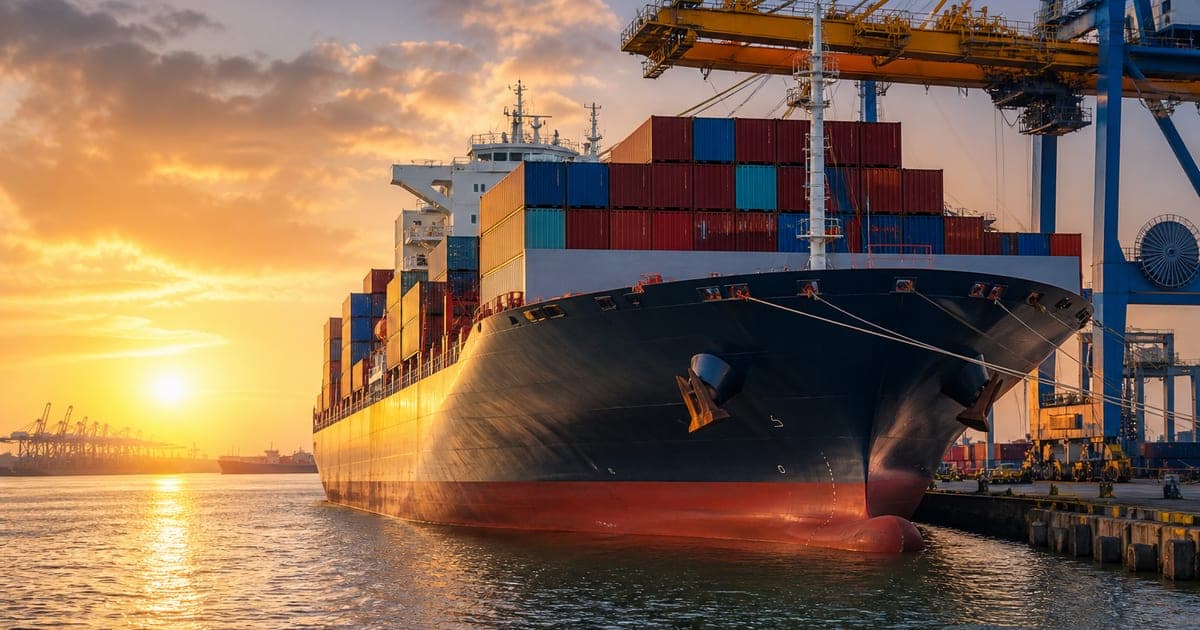
Ocean freight shipping rates are the price of a container’s ride on a vessel—FCL when you buy the box, LCL when you buy cube inside someone else’s. They move with utilization, bunker, and whether the sail is a premium week. They do not include the chassis, the port gates, the dray to a warehouse, or the FTL that takes the freight to a plant in Guanajuato or Georgia. Treating an ocean index as a door-to-door budget is how projects overrun.
COL Freight Solutions is a licensed U.S. property broker for motor freight (USDOT 4427559, MC-1741651), not an ocean carrier. We quote the inland and cross-border truck work that sits on either side of the water. If your routing includes a port, send the inland facts with the ocean plan: shipping@colfreightsolutions.com · 561-880-9808.
What ocean freight shipping rates usually include—and omit
Base ocean, a bunker or fuel factor, and sometimes terminal handling at origin or destination depending on the Incoterm-like split. Demurrage and detention at the port are clock-based penalties, not “the ocean rate.” Chassis shortages and pier pass-style fees are their own lines in many U.S. ports.
LCL looks cheap per kilo until you add origin handling, destination handling, and a longer calendar. FCL looks expensive until the cube fills.
Inland is still a truck quote
From the container yard to your DC, someone is dispatching a tractor. That product prices like truck: equipment, miles, fuel surcharge, appointments, and maybe a border if the box strips in Laredo and the cargo continues into Mexico. COL Freight prices those legs. Give us weight, dims after deconsolidation, and the delivery dock.
Insurance and the water
Ocean cargo clauses are not the same as a U.S. motor carrier’s cargo legal liability. If the merchandise is high value, align goods-in-transit cover with the whole routing, not only the sail. Tell both the ocean forwarder and the truck desk the declared value.
- State FCL versus LCL and container size if you already booked the water.
- Name the port pair and the inland destination.
- Do not assume the ocean rate includes the Mexican or U.S. domestic flete.
How to RFQ COL Freight on an ocean routing
Send the inland pickup or delivery, the expected cube after the container opens, and any transload. We will quote FTL or LTL for that work and show fuel and extras. Recurring inland volume after repeated sails may fit the Transportation Cost Recovery Program™. Saint Petersburg, FL and Los Gatos, CA.