
Operations
Dry Van Freight: The Default Box, Used on Purpose
The dry van is the workhorse—until the dock, the seal, or the commodity says otherwise. How shippers should spec the everyday trailer.
Updated 2026-09-07 · dry van freight
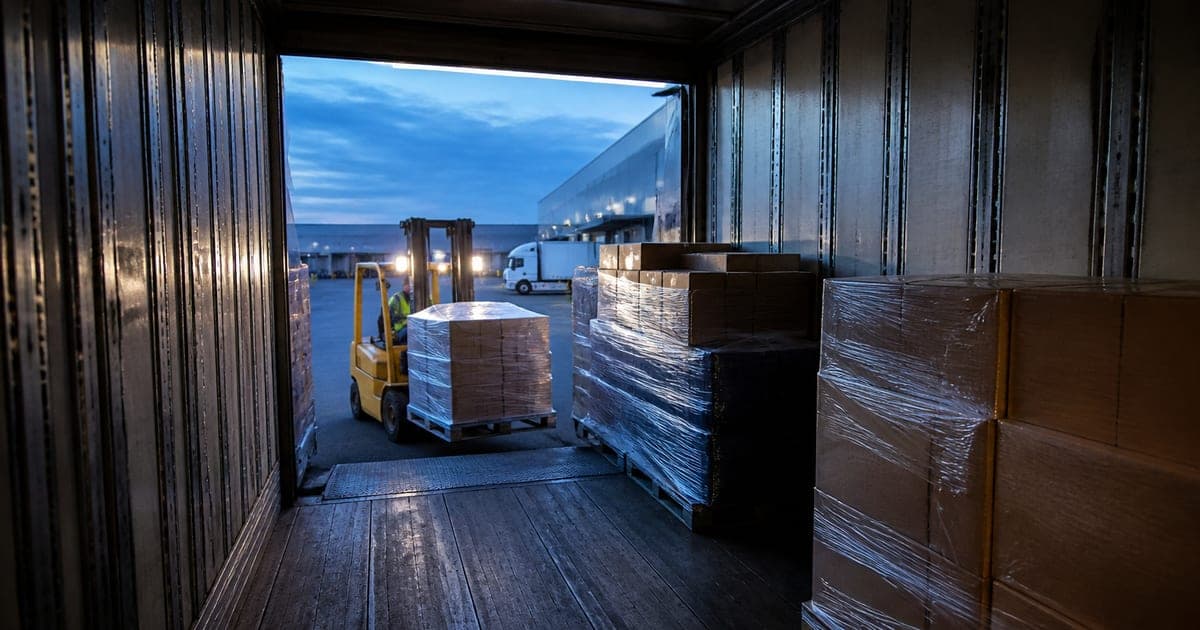
Dry van freight is the enclosed 53-foot trailer that moves most finished goods in North America. Pallets, cartons, and non-perishable product ride inside walls that keep weather and road debris off the cargo. It is the default because it fits the dock network, not because it is always the cheapest or the right box.
COL Freight Solutions arranges dry van truckload and the LTL that still ends up in a van pup. We will talk you out of a van when the cargo needs a reefer, a flatbed, or a liftgate straight truck. Defaults that go unexamined become refused loads.
What belongs in a dry van
Consumer products, automotive parts that cube, bagged dry commodities, and most retail replenishment. If it paletizes, stacks within legal height, and does not need temperature control, start here.
Seals, food, and who is allowed inside
Cross-border dry van freight often needs a seal program and a carrier who will not break it for a casual inspection story. Food-grade vans are a specification, not a vibe. Say so if your customer audits trailers.
Cube and weight still matter in FTL
A “full truck” of pillows and a full truck of bottled salsa are not the same economics. Density decides whether you are buying space or buying weight. We do not publish a fake per-mile dry van freight number that ignores that physics.
When LTL in a van is smarter than owning the trailer
Six pallets to a DC that lives on appointments may be happier on an LTL network than paying for empty cube. Six pallets of high-value electronics that you do not want in a breakbulk terminal may still want FTL. The van is the box. The product is the risk.
Drop versus live
Drop trailer programs need a yard and a relationship. Live loads need honest load/unload times or detention will appear. Dry van freight quotes that assume a 15-minute drop at a plant that always takes three hours are fiction. Tell us the history.
How to tender the everyday van to COL
Pallet count, stack height, whether it is slip-sheeted, pickup and delivery appointments, and seal requirements. Phone 561-880-9808. Florida and California offices cover both coasts and the border lanes in between.